
You have no items in your shopping cart.

$125.0 Away from free shipping
Burnt Orange Tequila Spritz

INGREDIENTS
HOW TO PREPARE
Style of Glass to use
Garnishes
Frequently Asked Questions
What is a tequila spritz?
Can I use a different tequila?
Aperol or orange liqueur, which is better?
What sparkling wine should I use?
How do I flame an orange peel safely?
Can I make it ahead for a party?
Is there a non-alcoholic version?
Burnt Orange Tequila Spritz TIPS
Flame with Flair & Chill Perfectly
Flaming the orange peel not only releases aromatic oils but adds a subtle caramelized bitterness that balances the sweetness of the Aperol and orange juice. For the best fizz, chill your sparkling wine and glass well before building the drink. To flame safely, hold the peel skin-side down near the flame and gently squeeze to ignite the oils—then rim the glass with the peel before dropping it in for double the aroma.
MADE WITH
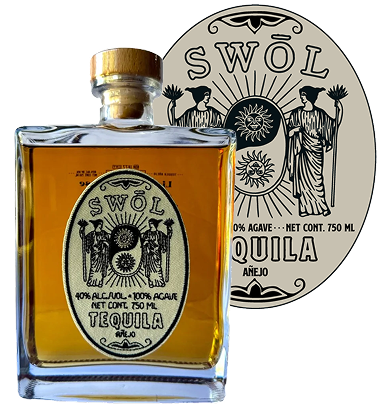
SWOL Anejo Tequila Limited Release (750Ml)
$89.99
$109.99
SWOL Anejo Tequila Limited Release is an extremely limited edition; a special release of just 10,000 bottles. Each hand-numbered bottle has a peel-off iron patch which is designed by Los Angeles-based artist Rise Work.
Combining ancient and modern techniques and a deep love and passion for Authentic Tequila, SWOL Tequila comes from Mexico. When two friends journeyed to Mexico...



